Chemical Employment Screening: Drug Testing, Background Checks & Occupational Health
In the chemical industry, there's no room for error. Employees handle hazardous materials, operate complex equipment, and work in environments where a small mistake can have dangerous outcomes.
Employers today are under pressure to meet strict chemical industry compliance standards while still hiring quickly. Without proper screening, risks like substance use, falsified credentials, or unsafe work practices can lead to accidents and costly downtime.
Health Street helps chemical and petrochemical employers stay compliant and confident in every hire. Our drug testing, background checks, and occupational health services help you reduce risk and move forward with hires you can trust.
Screen with precision in high-stakes environments. Call (888) 378-2499 or register online to begin.

How Drug Testing Helps Reduce Risk In The Chemical Industry
PHMSA drug testing requirements
Employers regulated by the Pipeline and Hazardous Materials Safety Administration must follow strict PHMSA drug testing requirements for employees in safety-sensitive roles. These rules align with DOT regulations and apply to workers involved in transporting or handling hazardous materials.
Why drug testing matters
Substance use significantly increases the risk of workplace incidents. According to the National Safety Council, employees who misuse drugs are more likely to be involved in accidents, absenteeism, and productivity loss. Drug overdoses are responsible for about 1 in 11 deaths of workers on the job.
In high-risk environments like the chemical industry, these risks are amplified due to the nature of the work. Failing to meet these standards can also result in fines, penalties, and operational disruptions.
Safety Statistics: Incidents and Fatalities
-
The FMCSA-HIGHWAY mode represents the highest number of incidents. Between 2015 and 2024, there were 199,811 incidents, making up the vast majority of the total.
-
Highway incidents also resulted in more fatalities than any other category, with a total of 64 fatalities from 2015 to 2024.
-
Most incidents in 2024 occurred during unloading, followed closely by incidents in transit.
-
Incidents that occurred in transit cost the most in damages in 2024 at $71.3 million. Incidents during unloading cost $2.1 million during the same year.
Drug Testing Services
Other labs just sell tests. We deliver trust, speed, and real human support for the Chemical and Petrochemical industry. No hidden steps, no confusing options. Just straightforward, professional drug testing that does what it says it will.




The Role Of Background Checks In Chemical Industry Safety
Hazardous material incidents can lead to serious financial and operational consequences, including property damage, cleanup costs, and business disruption. The U.S. Department of Transportation's PHMSA tracks thousands of hazmat incidents each year, using detailed reporting data to measure the frequency, causes, and impact of these events.
Background checks help identify potential risks before hiring by verifying qualifications and flagging concerning history. We run background checks 100% online. Fast, reliable, and built for the Chemical and Petrochemical industry. No scheduling, no delays. Just results.
Background Check Services
We run background checks 100% online. Fast, reliable, and built for the Chemical and Petrochemical industry. No scheduling, no delays. Just results.


Protecting Workers In High-Risk Chemical Environments
PHMSA reports thousands of hazmat-related incidents each year, many occurring during transportation (8,500 incidents) and unloading (12,652 incidents). These incidents can lead to injuries, hospitalizations, and operational disruptions. In 2024 alone, PHMSA recorded 27,334 hazmat-related incidents across various transportation phases.
Why occupational health matters
Targeted health screening helps:
-
Ensure employees are physically fit for demanding roles
-
Monitor exposure to hazardous substances
-
Reduce workplace injuries
-
Support regulatory compliance
Occupational Health Services
We keep occupational health moving. Quick access, clear communication, and compliance-ready services for the Chemical and Petrochemical industry.




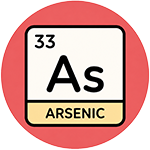
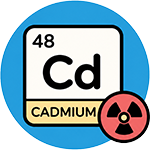
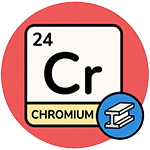
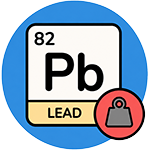
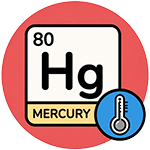
Heavy Metals Exposure Testing
Employees in certain roles may be exposed to heavy metals through workplace materials, equipment, or processes. Health Street offers testing options to help employers monitor potential occupational exposure.
Frequently Asked Questions
What is PHMSA drug testing?
PHMSA drug testing refers to federally required testing programs for employees in safety-sensitive roles involving hazardous materials. These programs help ensure compliance and reduce workplace risk.
Why are chemical background checks important?
They're a key part of both pre-employment and ongoing screening, helping you verify experience upfront and catch potential issues over time. In the chemical industry, that extra layer in your screening process helps reduce risk and prevent costly mistakes.
What are PHMSA background check services?
PHMSA background check services are screening services that help employers stay compliant by evaluating employees who work in hazardous material transportation and other regulated roles.
What is safety-sensitive position screening?
It refers to evaluating employees who perform tasks that directly impact workplace safety, such as handling hazardous materials or operating heavy equipment.
What happens if a company fails to meet chemical industry compliance standards?
Non-compliance can lead to fines, penalties, operational shutdowns, and increased risk of workplace incidents.
Why Health Street
In the chemical industry, every hiring decision carries risk. You need screening that's fast, accurate, and built for high-stakes environments.
Health Street helps you stay ahead with:
-
Drug testing aligned with your needs
-
Reliable chemical background checks designed for safety-sensitive roles
-
Screening services that support ongoing compliance, not just pre-employment
-
Occupational health solutions tailored for hazardous work environments
Everything is built to help you reduce risk, stay compliant, and keep your operations moving without delays.
Citations
-
National Safety Council. (n.d.). Implications of drug use for employers. https://www.nsc.org/workplace/safety-topics/drugs-at-work/implications-of-drug-use-for-employers
-
Pipeline and Hazardous Materials Safety Administration. (2022, January 7). Drug and alcohol testing program overview. U.S. Department of Transportation. https://www.phmsa.dot.gov/pipeline/drug-and-alcohol/drug-and-alcohol-testing-program-overview
-
Substance Abuse and Mental Health Services Administration. (2024, July 31). Considerations for safety and security-sensitive industries. https://www.samhsa.gov/workplace/employer-resources/safety-security-sensitive
-
U.S. Department of Transportation, Pipeline and Hazardous Materials Safety Administration. (2025). Hazmat Intelligence Portal. U.S. Department of Transportation. Retrieved March 10, 2025, from https://portal.phmsa.dot.gov/analytics/saw.dll?Portalpages
-
U.S. Department of Transportation, Pipeline and Hazardous Materials Safety Administration. (2025). Yearly incident summary reports. U.S. Department of Transportation. Retrieved March 10, 2025, from https://portal.phmsa.dot.gov/analytics/saw.dll?Portalpages&PortalPath=%2Fshared%2FPublic%20Website%20Pages%2F_portal%2FYearly%20Incident%20Summary%20Reports